
Understanding the psychology behind gambling behavior in casinos
The Allure of Risk and Reward
One of the primary drivers behind gambling behavior in casinos is the allure of risk and reward. Players are often drawn to the thrill of placing bets, where the potential for winning large sums of money creates a sense of excitement. This experience is heightened by the uncertainty associated with gambling, as individuals become captivated by the idea of hitting the jackpot. Neurobiological studies indicate that winning activates the brain’s reward pathways, releasing dopamine and creating feelings of pleasure that reinforce this behavior. To explore the various gaming options available, visit https://frumzi-me.com/en/.
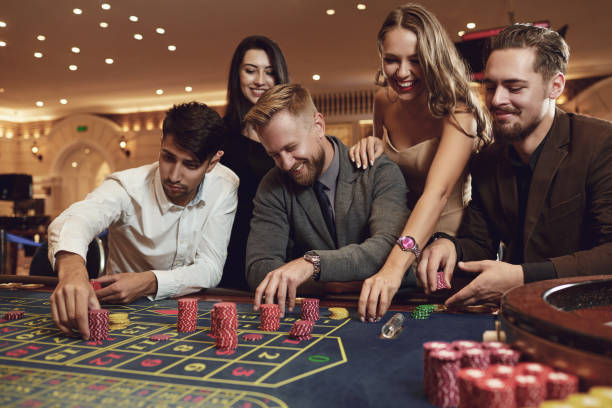
This desire for reward can often lead to a gambling spiral, where the excitement of wins is juxtaposed with the disappointment of losses. This emotional roller coaster can create a sense of urgency, pushing players to return to the casino in hopes of recapturing that high. Moreover, the intermittent reinforcement schedule inherent in gambling—where wins are unpredictable—makes it more addictive, as players continue to seek that elusive payout. This psychological dynamic helps explain why many individuals find it hard to resist returning to casinos, even after a series of losses.
Additionally, the design of casino environments plays a crucial role in amplifying this allure. Many casinos utilize bright lights, engaging sounds, and enticing visuals that create a sensory-rich environment. This ambiance is meticulously crafted to evoke emotions and keep players engaged longer. By stimulating the senses, casinos tap into the psychological aspects of desire, making the act of gambling feel even more rewarding and exhilarating, reinforcing the cycle of behavior.
The Impact of Social Influence
Another important factor that influences gambling behavior is social influence. Many players find themselves motivated by the actions and attitudes of others, whether it be friends, family, or even complete strangers in the casino. Observing others win can create a bandwagon effect, where individuals feel encouraged to participate and wager themselves. This social validation often leads to a shared experience, making gambling seem more appealing and less isolating.
Furthermore, peer pressure can also play a significant role in shaping one’s gambling habits. In many social settings, gambling is seen as a recreational activity that fosters camaraderie and entertainment. As friends gather around poker tables or slot machines, the energy of the group can enhance the thrill of betting. Individuals may be more likely to increase their wagers or participate in games they would typically avoid due to the influence of their peers, emphasizing the role of social dynamics in gambling behavior.
However, this social influence can also have negative consequences. The normalization of gambling within certain social circles can lead to excessive behaviors, with individuals feeling compelled to keep up with their peers, often at the expense of their financial well-being. The psychological pressure to conform to social norms can thus exacerbate gambling addiction, making it vital for individuals to recognize the influence of their surroundings when engaging in this activity.
Emotional and Psychological Triggers
Emotional states can significantly impact gambling behavior, often acting as triggers for individuals to engage in betting. For some, gambling serves as a coping mechanism for dealing with stress, anxiety, or depression. The escape it provides can momentarily alleviate negative feelings, making it an attractive option for those seeking a quick fix. This connection between emotions and gambling highlights the psychological underpinnings that can lead to problematic gambling habits, especially in places like Frumzi casino.
Moreover, certain psychological traits can also predispose individuals to gambling addiction. For instance, individuals with impulsive personalities may find it difficult to resist the lure of gambling, often placing bets without fully considering the consequences. Cognitive distortions, such as the illusion of control, can further exacerbate this behavior, leading individuals to believe they have more influence over outcomes than they actually do. Such misunderstandings can lead to persistent gambling despite negative outcomes, thereby perpetuating a cycle of behavior.
Additionally, casinos often capitalize on these emotional triggers by creating loyalty programs and offering rewards that play on players’ psychological needs. By establishing a sense of belonging and appreciation through these programs, casinos encourage repeat visits, often leading individuals to chase losses or seek validation through further gambling. Understanding these emotional and psychological factors is crucial for recognizing the complexities of gambling behavior and its potential repercussions.
Understanding the Odds and Rationalization
The complex relationship between player perception and understanding of odds is another significant factor influencing gambling behavior. Many players possess a distorted view of the odds involved in their games, often believing they have a better chance of winning than statistics suggest. This misconception can be attributed to cognitive biases, such as the gambler’s fallacy, where individuals believe that past events can influence future outcomes in games of chance.
Moreover, casinos deliberately design their games to create this sense of potential victory, often highlighting jackpot amounts and providing misleading representations of odds. This can lead players to rationalize their betting behavior, convincing themselves that they are making strategic decisions rather than simply taking risks. Such cognitive dissonance allows individuals to continue gambling, even when faced with the reality of unfavorable odds. This rationalization can further reinforce a player’s commitment to the gambling experience.
Furthermore, the allure of progressive jackpots and high-stakes games can cloud judgment, encouraging players to invest larger sums in hopes of striking it rich. This cognitive distortion often overshadows the reality of the situation, leading players to ignore the statistical likelihood of winning. By fostering a misunderstanding of the odds, casinos can maintain player engagement and increase the likelihood of repeat visits, further complicating the relationship between perception and reality in gambling contexts.
Frumzi Casino and Responsible Gaming
Frumzi recognizes the importance of understanding the psychology behind gambling behavior and is committed to promoting responsible gaming practices among its users. By providing a safe and engaging online environment, Frumzi aims to enhance player experiences while minimizing the risks associated with gambling. The platform implements various features designed to promote responsible play, such as deposit limits and self-exclusion options.
Additionally, Frumzi places significant emphasis on player education, offering resources and information to help players understand the importance of responsible gambling. By fostering awareness of the psychological aspects of gambling, the platform encourages users to make informed decisions and engage in responsible betting practices. This proactive approach not only protects players but also contributes to a healthier gambling environment overall.
Ultimately, Frumzi strives to create a gaming experience that balances entertainment with responsibility, enabling players to enjoy their time while being mindful of the potential psychological effects of gambling. By incorporating strategies that promote healthy gambling habits, Frumzi aims to serve as a model for the industry, advocating for a culture of awareness and responsibility in the gaming community.